
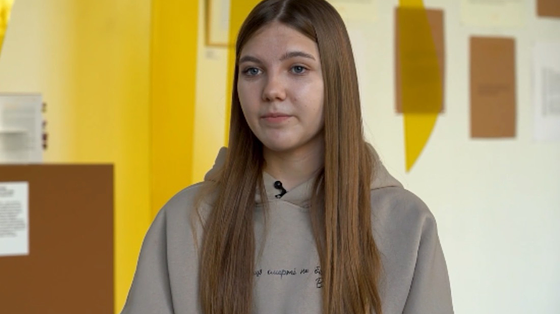
In November 2025, schoolgirl Nastia Tsiapalo found herself at the epicenter of a Russian missile strike on Ternopil. The missile struck a high-rise building. Fire engulfed the building from both ends; the apartment quickly filled with smoke and heat. Her mother had recently recovered from COVID-19 and was having difficulty breathing. She was the first to lose consciousness. Later, her grandfather also passed out. Nastia and her grandmother managed to call their relatives. They reached the building just as the rescue workers were arriving. From the street, they advised that the only way out was over the balcony.
In a state of shock, Nastia tried to jump from the third floor, but her grandmother managed to grab her. The girl stumbled and was left hanging from the balcony, where she lost consciousness. She suffered burns from the heat until she was rescued from the balcony.
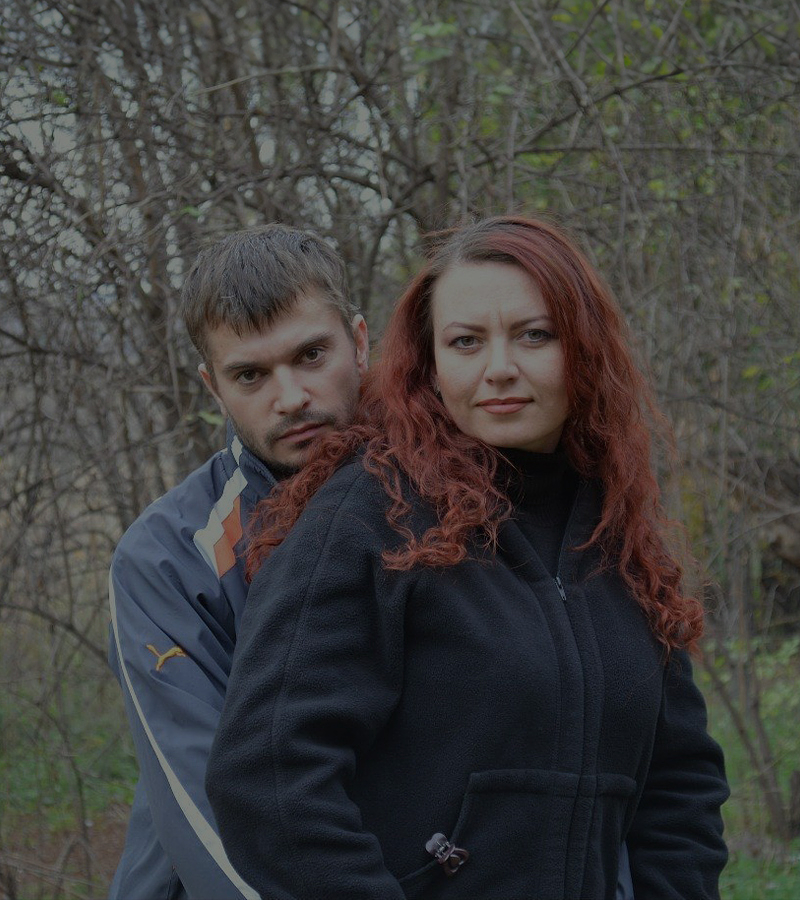
In this fire, Anastasiia lost her mother, Oksana, and her grandfather, Ihor. Her grandmother, Tetiana, was the only one to survive. During her first week at St. Nicolas Hospital, the medical staff fought for Nastia’s life. She was in the intensive care unit and couldn’t breathe on her own, so they inserted a special tube and connected her to a ventilator. Due to the severity of the pain, she was medicated every few hours, and her dressings were changed under anaesthesia. At that time, her grandmother was undergoing treatment in Ternopil.
Once Nastia’s condition was stabilized, she was transferred to the surgical ward. Doctors gradually cleaned the wounds and performed skin grafts to aid her recovery.
Before the shelling, Nastia had been seriously involved in basketball for four years. She is the captain of her school team. Her biggest dream is to return to professional sports. The doctors assure her: “It’s entirely possible!”
The main issue is the elasticity of the skin after the grafts. That is why her arm does not yet bend fully and does not function as it did before. So Nastia needs constant rehabilitation and therapy. She still has to undergo gruelling procedures to smooth the scarring and gradually restore her range of motion and skin elasticity.
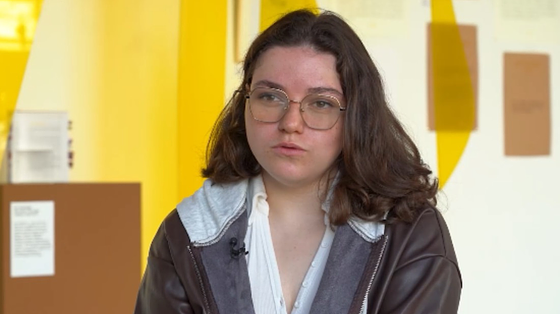
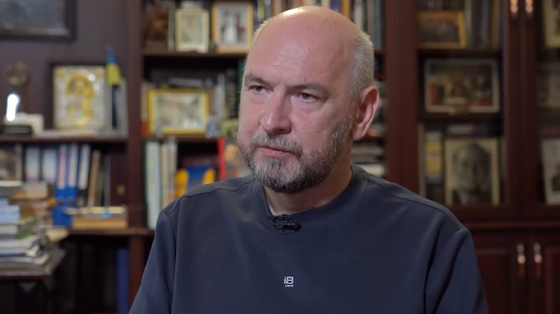
This interview was recorded as part of the “Museum of Civilian Voices”, a documentary archive that collects testimonies of Ukrainian civilians impacted by the war. The family believes it is important for such stories to be heard so they can be used in the future as evidence, specifically to raise awareness and hold those responsible for the crimes committed accountable.



.png "Names")


