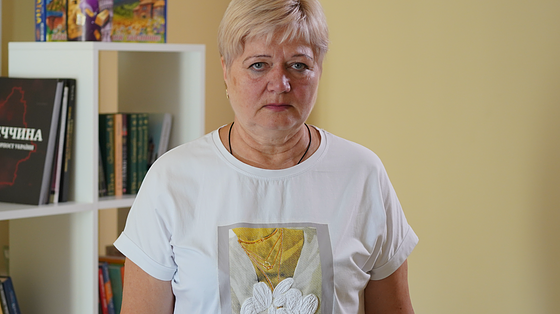
Tetiana Nikolaieva remembers the day her son Artur last crossed the threshold of their family home. Last Christmas, he unexpectedly returned from the front to see his family. They spent a quiet evening together. At two o’clock in the morning, he returned to his positions. His mother never saw him alive again. The woman shared her story of loss with the Museum of Civilian Voices founded by the Rinat Akhmetov Foundation.
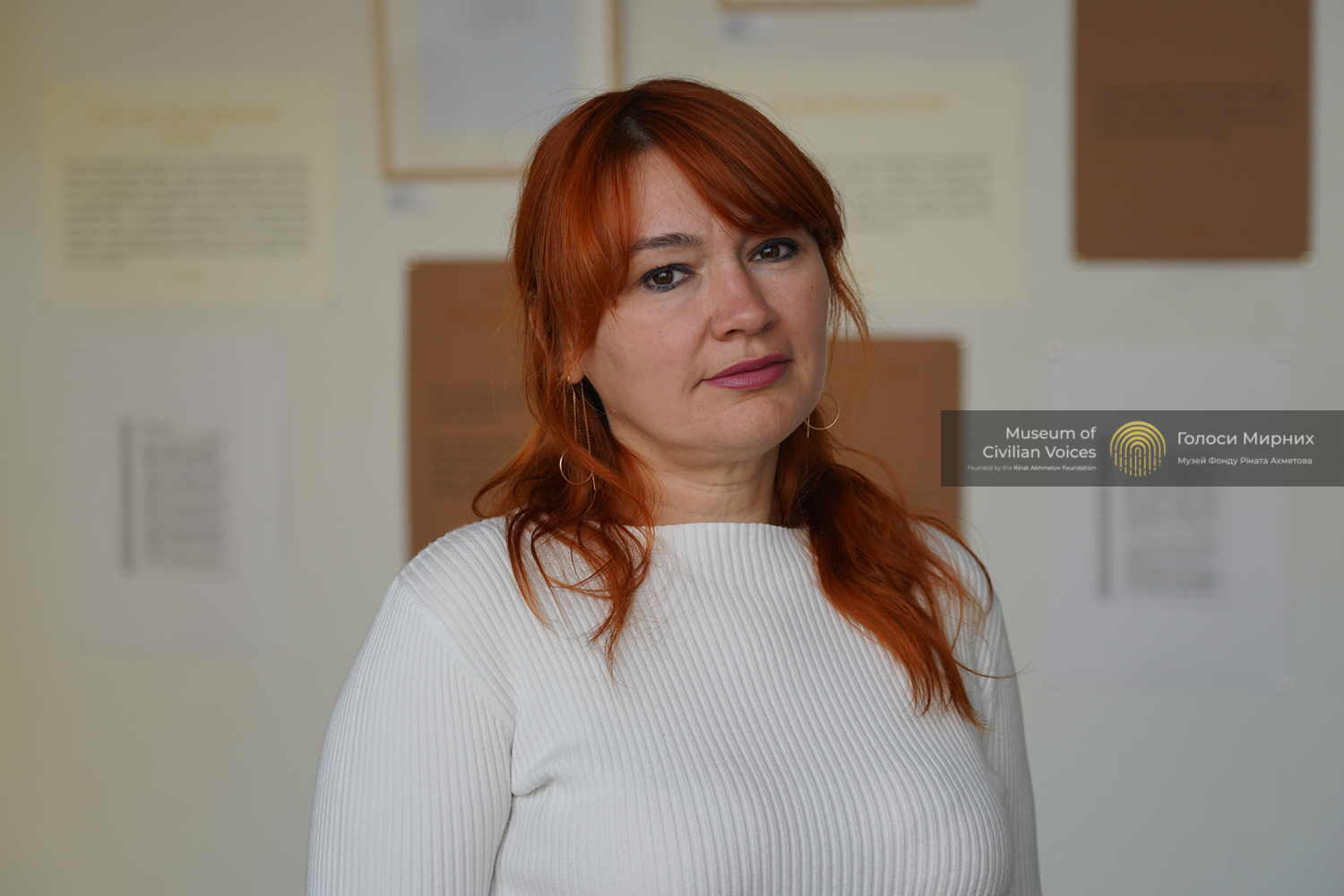
“We do not talk about our loss at home. Artur’s bed is still here, right where it was. All his belongings are in their places. His portrait stands in the hallway. His military watch is there, too. Every morning, five minutes before eight, it sounds an alarm, and every morning, to me, it feels like a greeting from him, a sign that he is still with us. It is very difficult. A person who has lost a child lives with such a hole in their heart and such emptiness,” Tetiana says.
The war first entered the family’s life in 2014. For a week, Tetiana, her husband, and their two sons, 10-year-old Artur and two-year-old Tymur, hid from shelling in a basement in Luhansk. July was the hardest month: their neighborhood was relentlessly shelled. Tetiana remembers how shocked she was to see the body of a neighbor who had been killed lying in the courtyard, covered with a white blanket. The family then left for Kyiv, hoping to wait out the situation for two weeks. But they were never able to return home. They started a new life in the Kyiv region.
In February 2022, the war once again came close to their home. Tetiana and her younger son evacuated abroad, while 20-year-old Artur stayed behind with his father. Soon afterward, the young man decided to join the military.
“Artur called and said: ‘Mom, I’m going to fight.’ He had just turned 20 that January. I said: ‘How can you go to war?’ And he replied: ‘Mom, what would you do if you were in my place?’ I told him I would do the same,” Tetiana recalls.
At first, the military enlistment office turned the young man away because of his age, but he stood his ground. That was how Artur joined the National Guard of Ukraine. At first, he guarded strategic facilities near the capital, and later he was deployed to the Pokrovsk direction. During his service, the family often waited a long time to hear from him. Whenever Artur managed to get in touch, even a brief message from his commander saying that everything was fine brought relief. But one day, the thing the woman feared most happened.
“A message came, and it was very long. That was the moment when you feared the worst. I could have imagined that he had been wounded somewhere in Dnipro. But with every line, I realized that something had happened, something I did not want to find out about. Then came the funeral... We saw it this way: a hero had returned on his shield, and as a family, we had to remain strong so that all the attention would be focused on Artur,” the woman says.
At the farewell ceremony, Tetiana asked her loved ones to gather their strength. She wanted that day to be devoted to her son’s memory and his heroic deed. The family grieved in private. Today, Tetiana often visits the Alley of Glory and talks about Artur. She wants him to be remembered, and for the story of his life and the choice he made to remain with people and live on in their hearts.
Watch the story of Tetiana Nikolaieva and her family here
The Museum of Civilian Voices founded by the Rinat Akhmetov Foundation has collected more than 145,000 stories about the war. It is the world’s largest archive of testimonies from Ukrainian civilians affected by russian aggression.