
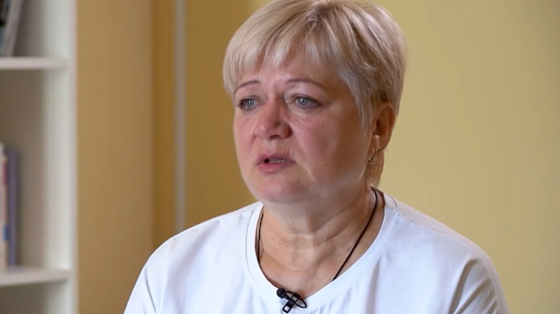
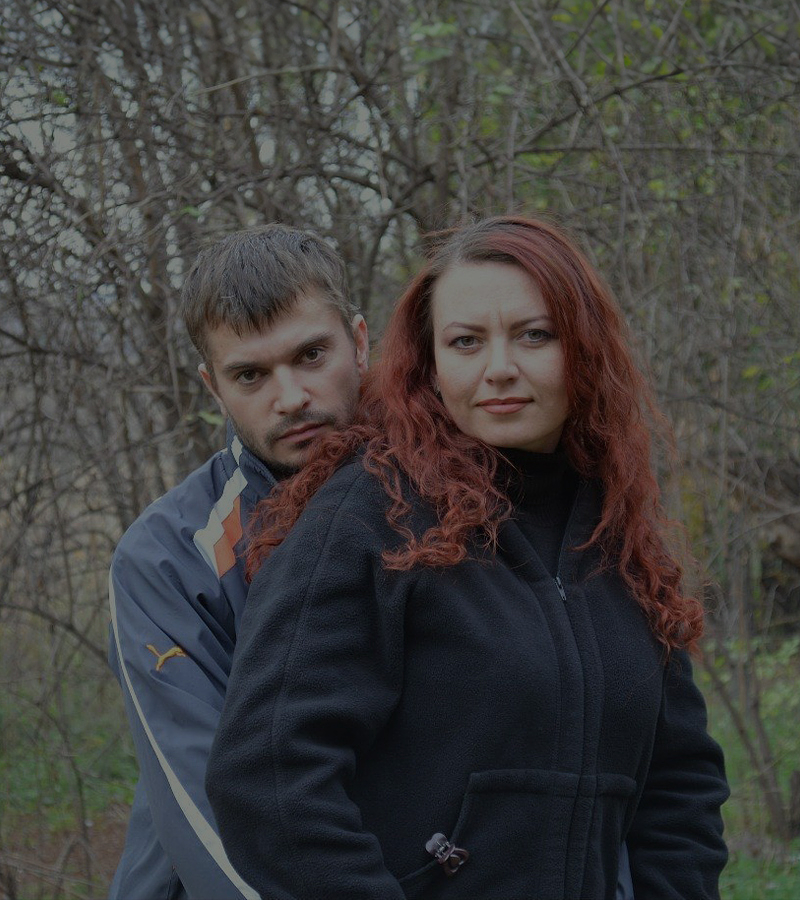
Nataliia ran through constant shelling to the hospital, where her husband was dying from severe injuries. She made her way dashing between ruined buildings. In the hospital overflowed with the wounded, he just managed to say her: “I’m dying.” And when she returned home, there was another terrible news waiting for her: her father-in-law had also been killed. In just a few days, the war took two of the family’s closest loved ones.
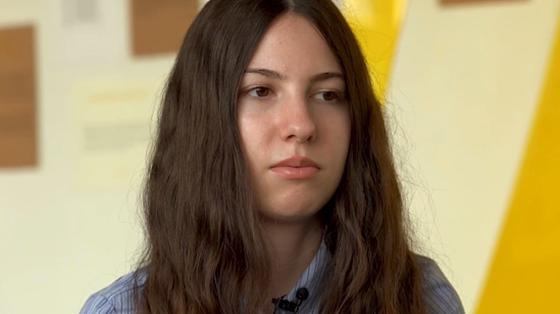
For her son Andrii, the siege of Mariupol became a dividing line between two lives. Before the full-scale invasion, he remembers the city by the sea, fishing with his father, and walks. After the invasion - endless airstrikes, hunger, searching for food, kilometre-long lines for humanitarian aid, and the struggle to survive. The family remained in the city, watching water, power supply, and any sense of security vanish.
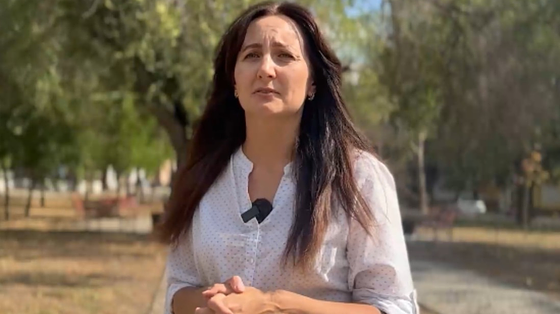
For many years, Nataliia hid symptoms of Parkinson’s disease from her own family. Due to the losses she had suffered, the lack of necessary medication, and constant stress, her condition deteriorated sharply. And the moment her eldest daughter managed to get medication in occupied Mariupol, felt like a true miracle.
After her husband’s death, Nataliia spent months searching for him among photographs of unidentified victims. She looked through hundreds of awful images until she found him. But even today, she doesn’t know for sure whether it is really him buried under the plaque with his name in the mass grave.
After leaving occupied Mariupol, the Dehtiarovs started their lives from scratch in Rivne. The mother and son entrusted their story to the Museum of Civilian Voices of the Rinat Akhmetov Foundation to preserve the memory of those who died and of the siege of Mariupol.



.png "Names")


