
Before the full-scale war, 12-year-old Vania lived in the Kherson region. The boy’s home village fell under occupation. A russian soldier shot and killed his mother and stepfather. Vania was in the next room and heard everything that happened.
A year later, his grandmother managed to take him out, but because she did not have Ukrainian guardianship documents, she was unable to take him with her to Germany. The social services then asked Nataliia Rozhkova, a foster mother at a family-type children’s home, to take the boy in for a few days.
Those three days turned into a year: Vania decided himself that he wanted to stay with the family. The trauma he had endured made the adjustment difficult. Psychologists helped him cope with the trauma. Nataliia’s family-type children’s home is now home to seven children. The family lost all of their property in the occupied territory. Their homes in Oleshky were destroyed and flooded following the destruction of the Kakhovka Hydroelectric Power Plant dam, leaving them with nowhere to return to.
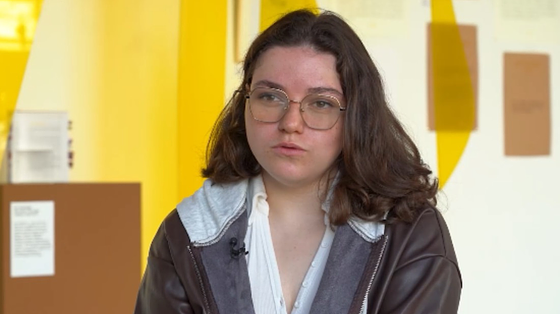
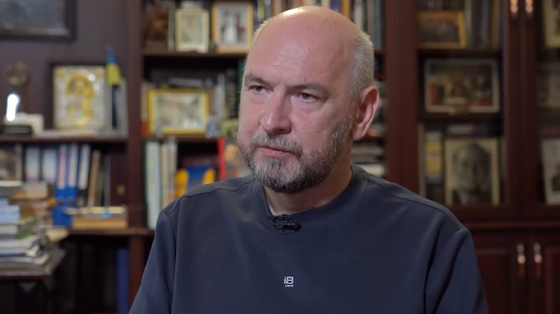
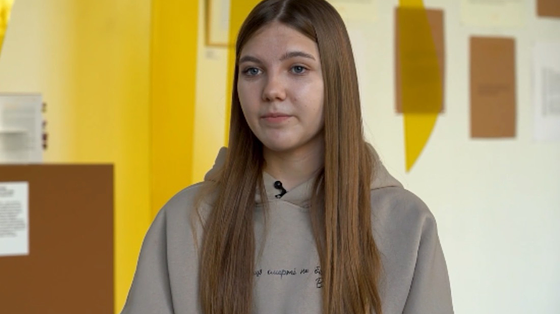
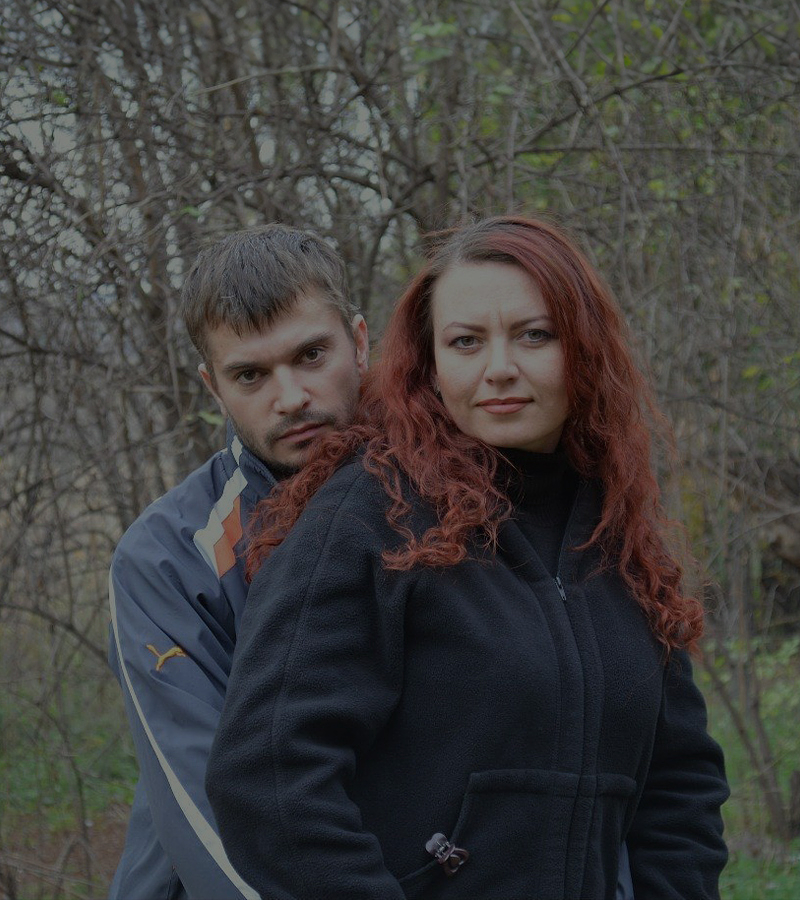
Four of the children have already reached adulthood. Nataliia Rozhkova stresses that she shared Vania’s story and the story of their family-type children’s home to bear witness to what they endured during the war and to draw attention to a systemic problem – the lack of housing for young people leaving relocated family-type children’s homes.



.png "Names")


