
On 24 February 2022, Larysa woke up to the sound of an aircraft and understood at once: war. Her only thought was: "What about my older son?"
Her son was serving in Mariupol at the time. A few weeks later, all contact with him was lost. Then news arrived: "The guys tried to break through. He is likely three-hundred." Her son had gone missing. For an entire year, Larysa had no word of him. She watched videos, photos, lists — trying to find his face among prisoners of war. During the search, her health gave out. What brought her back to life were the words of her younger son: "Mom, I’m not ready to be a full orphan at thirteen."
Nearly a year later, Larysa learned that her older son had been wounded during the defence of Mariupol. He had been taken captive. Later, a video appeared on russian television — a mock trial of Mariupol’s defenders. The occupation authorities had thrown Larysa’s son behind bars for 28 years.
Accepting this was unbearable. But the mother did not give up. She began studying, refreshed her knowledge of psychology, and joined support groups for women whose loved ones were either in captivity or missing. Larysa says that it is the community that helps her endure: "We are learning to be a support for one another."
Larysa joined a retreat organized by the Heart of Azovstal project. It is an opportunity to restore one’s inner resources: "If a mother is filled — energetically, psychologically — her support can be felt even thousands of kilometres away," she concludes. Comrades released in prisoner exchanges say that in captivity Larysa’s son was given the call sign Pozytyvchyk — he encourages others and does not let them break. Larysa believes that this strength also comes to him from her.

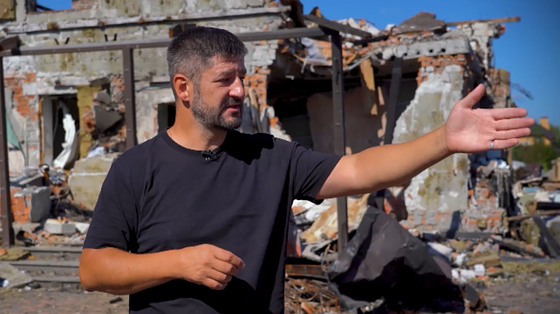
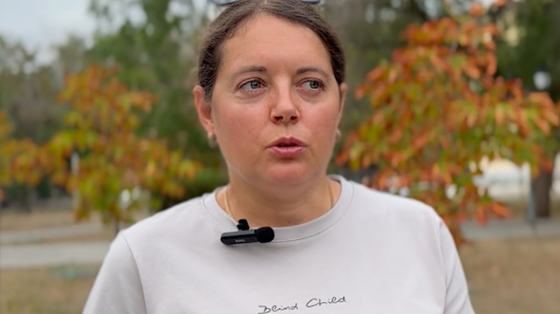
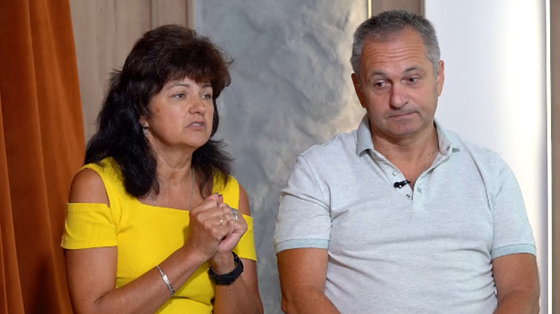


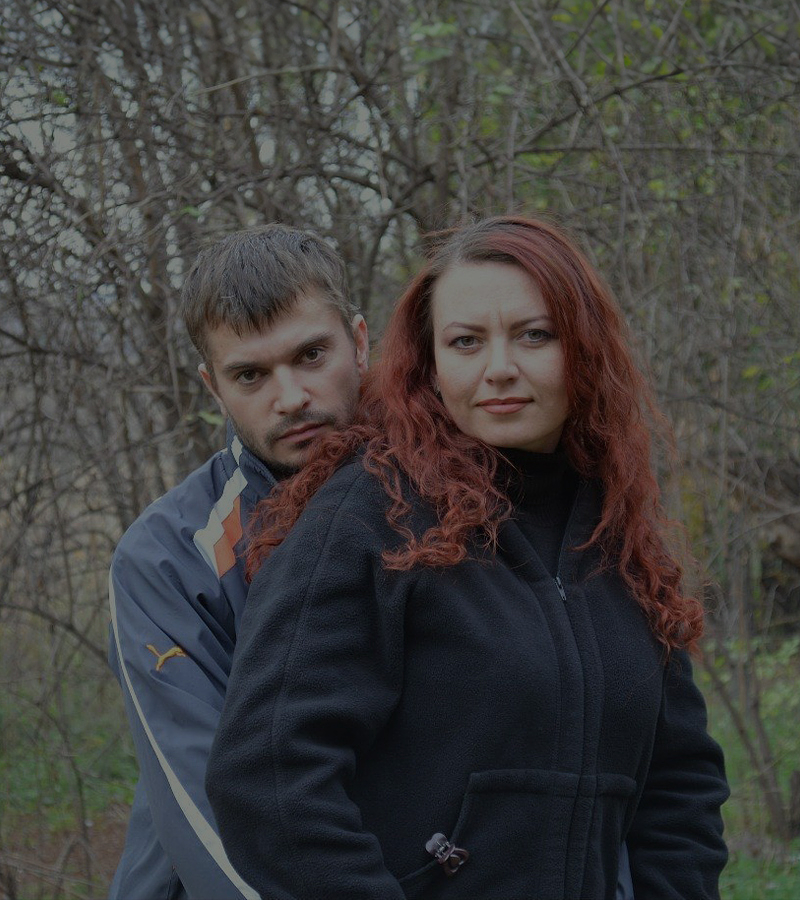.png "Names")


