
On July 18, 2024, Nataliia and Mariia were walking home. They were about a hundred meters away from their apartment building entrance. Suddenly – the whistle of a missile. “I realised it was flying straight at us, and I screamed to my daughter: ‘Get down!!!’” recalls Nataliia, Mariia’s mother. Seconds later, a shell exploded nearby. The strike hit a residential building. The fourth and fifth floors were destroyed, and shrapnel tore through people on the street.
Mariia remembers almost everything. In the first few minutes, the girl did not even realise how severe her injuries were. Doctors diagnosed an open traumatic brain injury, damage to the brain, and injury to the brain membrane. Nataliia was also wounded, but Mariia’s injuries turned out to be extremely severe.
Mariia’s mother is a surgical nurse. She fully understood how grim the prognosis was. “I had seen injuries like this before. Not with complete certainty, but I knew what could happen,” says Nataliia. But she would not allow either herself or her daughter to give up.
The girl underwent a series of complex neurosurgical operations. Part of her skull had to be removed, and later doctors implanted a large titanium implant. Then dangerous complications followed – meningitis and post-traumatic epilepsy. And once again, her life was at risk.
After the injury, Mariia could not speak, walk, read, or even eat on her own. She was fed through a tube. Then came the first supported steps, the first letters, the first words.
“I used to know all of this, but I had to relearn everything from scratch,” the girl says. She had to relearn the alphabet, English, and writing. Even her body, as she describes it, gradually “remembered” how to move again. Before the war, Mariia was involved in music, art, and shooting sports. She dreamed of entering a military academy.
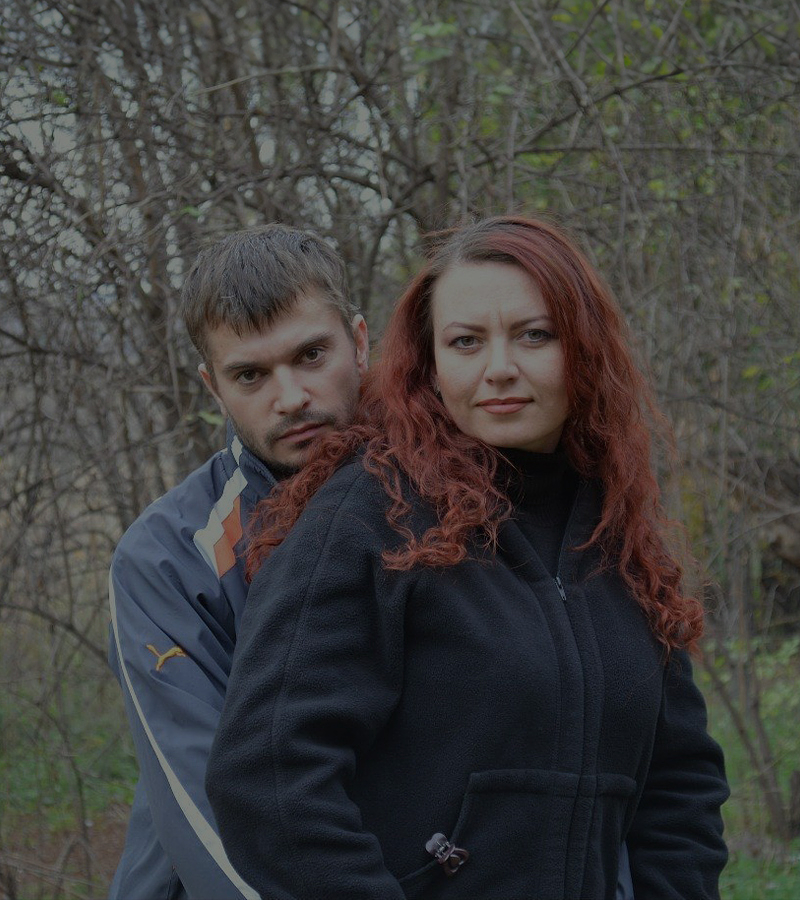
The war took more from her than just her health. The family lost their home after the destruction of the Kakhovka Hydroelectric Power Plant and the shelling that followed. Mariia’s father, Ihor Klymentenko, passed away. The girl is convinced that the war “broke him.”
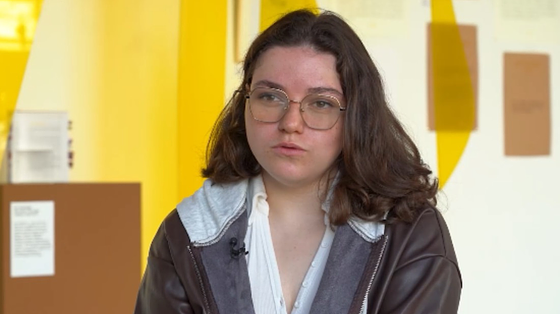
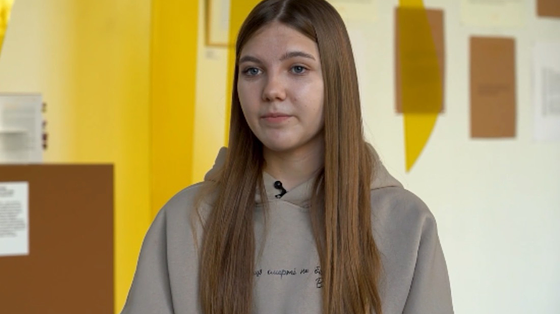
Now Mariia lives with her mother in a settlement for displaced people near Kyiv. She continues treatment and rehabilitation, draws, sculpts with plasticine, and is finishing school. And she still refuses to give up on her dream.
“I want to serve in the military. As a drone operator,” Mariia says, barely holding back tears.
For her courage and resilience, the girl received the presidential award “Future of Ukraine.” “Never give up. Keep moving forward and don’t look back,” – this is the advice Mariia now gives to other people who have survived severe injuries.



.png "Names")


