
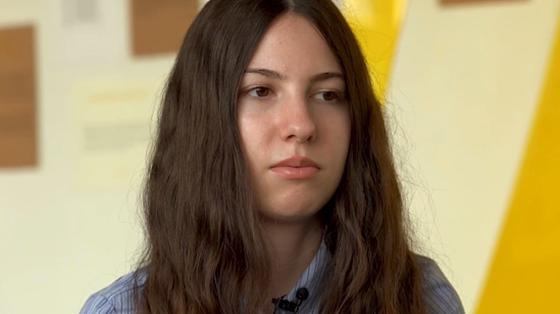
When the full-scale invasion began, Mariia was twenty-three. She was studying in Kharkiv, and her father, who served in the Border Guard Service, was defending Mariupol. In the first days of the war, he called his daughter and said briefly: “Collect your documents!”
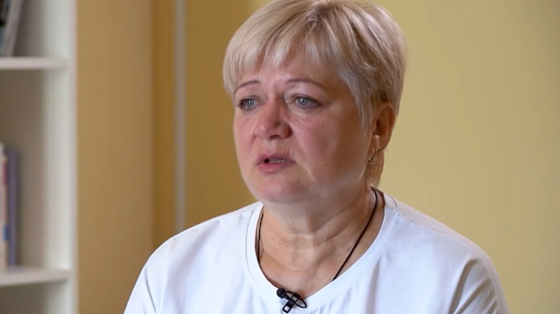
Her mother and younger sister were in Mariupol. Connection with them disappeared quickly. Mariia remained in a dormitory in the center of Kharkiv, where it was still relatively quiet. She kept calling her mother and father, trying to catch a signal. On the phone screen — dozens of missed calls, but no answer.
When she was finally able to leave, she reached Lviv. She searched for news from Mariupol, checked Telegram channels, photos, videos, trying to find her building. When connection reappeared, her mother called — both cried, because they finally heard each other.
On April 12, Mariia received a short message from her father: “Today I’m in captivity.” He even tried to joke so as not to frighten her. Later she saw his photo among prisoners of war on russian channels — and she began to act. She called every possible service, filed requests, talked to volunteers and state structures involved in exchanges. When the exchange happened, six different organizations called Mariia! Her father was exchanged on December 31, 2022.
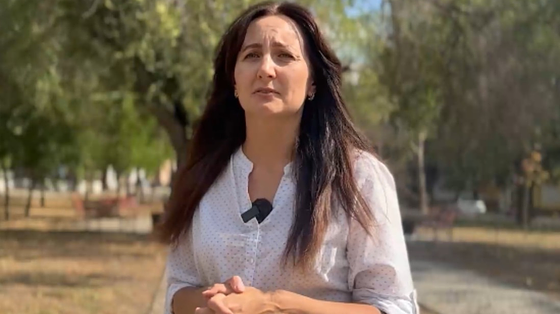
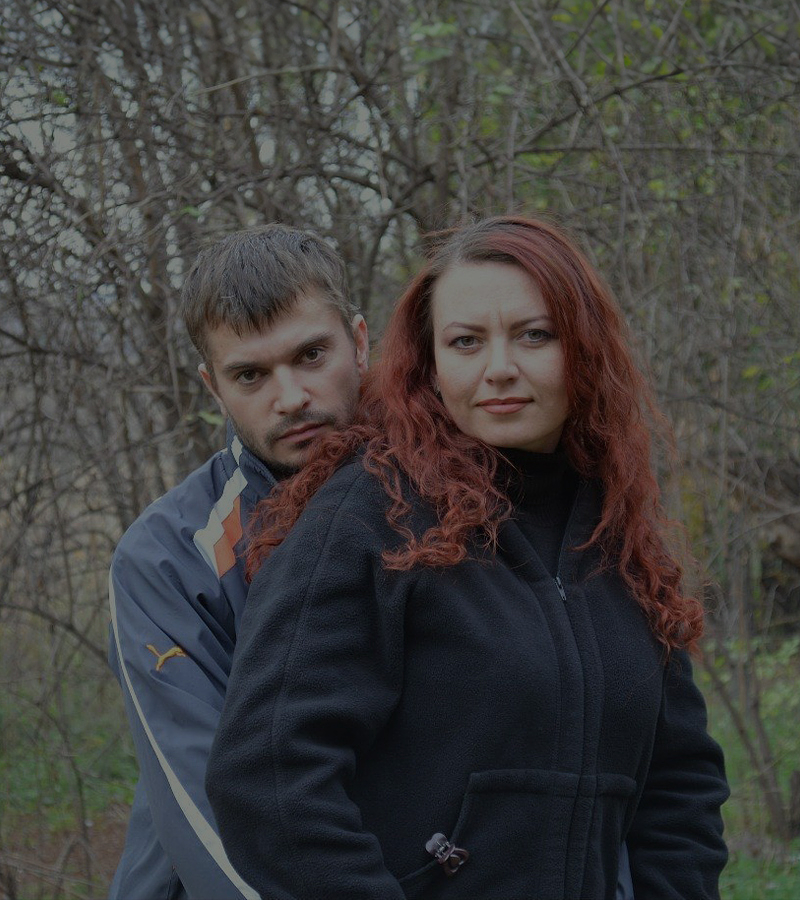
After treatment and rehabilitation, he returned to service. The Kurkurina family received their own housing thanks to the “Heart of Azovstal. At Home” program, which helps the defenders of Mariupol and their families. On the day the apartment was presented, Mariia shared her family’s story with the Museum of Civilian Voices founded by the Rinat Akhmetov Foundation.



.png "Names")


