
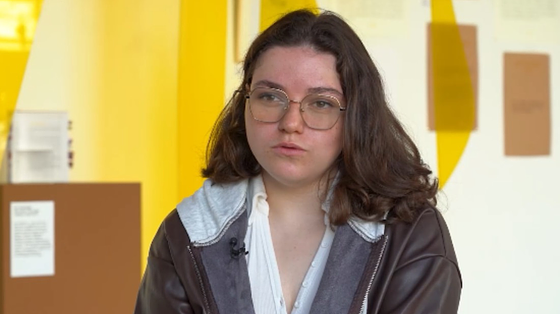
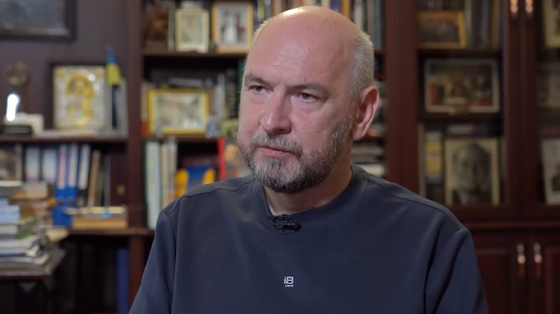
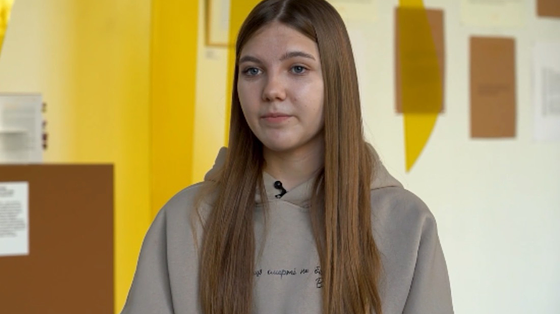
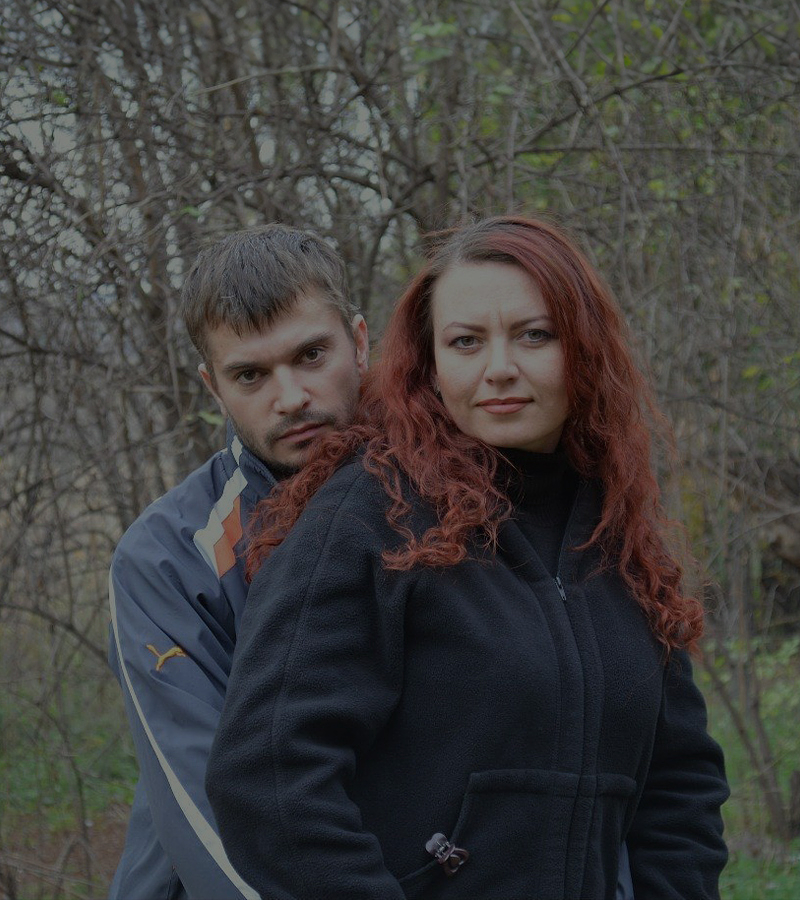
Vitalii dreamed of a peaceful old age in his native Mariupol — the sea nearby, his family, children, his beloved apartment. But the war destroyed everything. When his home burned down before his eyes after being hit by a phosphorus bomb, began the terrible days of surviving the war: they melted snow to get water, filtering it through cotton so that everyone could have a sip a day; they tried to bring food from their summer house, but the road there became a trap under the aim of enemy tanks. The building shook from explosions, people buried the dead in the yard, and every hour could be the last. When the russian occupiers announced a “cleansing,” Vitalii and his family left the city on foot — with white tulle wrapped around their sleeves, the only sign that they were civilians. A long and dangerous road through the occupied territories brought them to Kyiv. Here there is a roof and relative safety, but there is no most precious thing — the home that forever remained in Mariupol, and the peaceful, quiet life he so dreams of.



.png "Names")


