
Nina Ivashchenko is the head of the Smilchyntsi Starosta District. Her work coincided with the hardest time — the full-scale war. “The news came at half past four in the morning. At first, I thought it was a truck, but the whistling in the sky made me alert,” recalls Mrs. Nina.
In the first days, the community started helping: they wove camouflage nets and made canned meat for the front. Later, they began collecting food for displaced people, sewing balaclavas, buying boots and gloves. Even during blackouts, by the light of their phones, women knitted warm socks for the soldiers.
Their pride became the nut-and-honey bars: one of them, dropped by a drone, saved a soldier who had been sitting without food for several days in a trench on the “zero line.” On the package, he saw the inscription “Smilchyntsi” — his native land.
The community has already lost six soldiers. “The hardest thing is to see the eyes of a mother or a widow. Words are powerless here,” says the interlocutor.
The community’s volunteers make trench candles and weave camouflage nets. “Together we are strength. There are three villages in our district — and everyone has united. And now there is no one who does not believe in victory. We will endure,” adds Mrs. Nadiia.

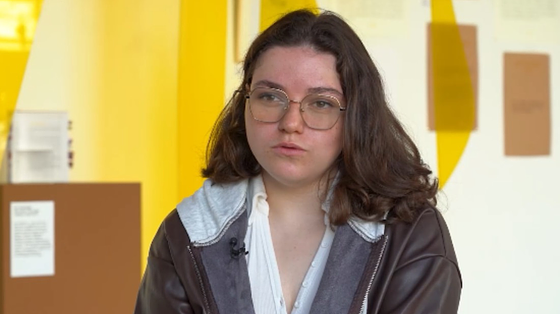
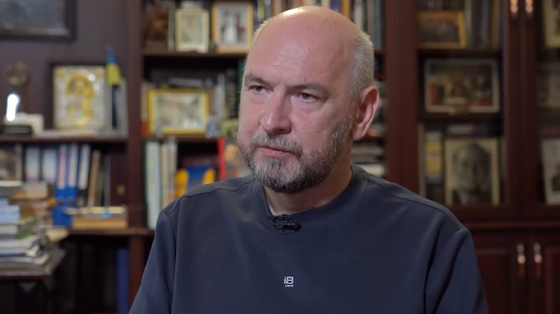
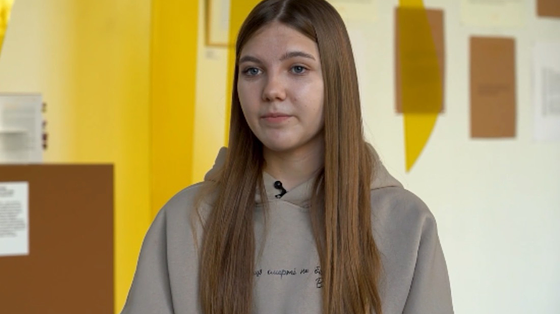


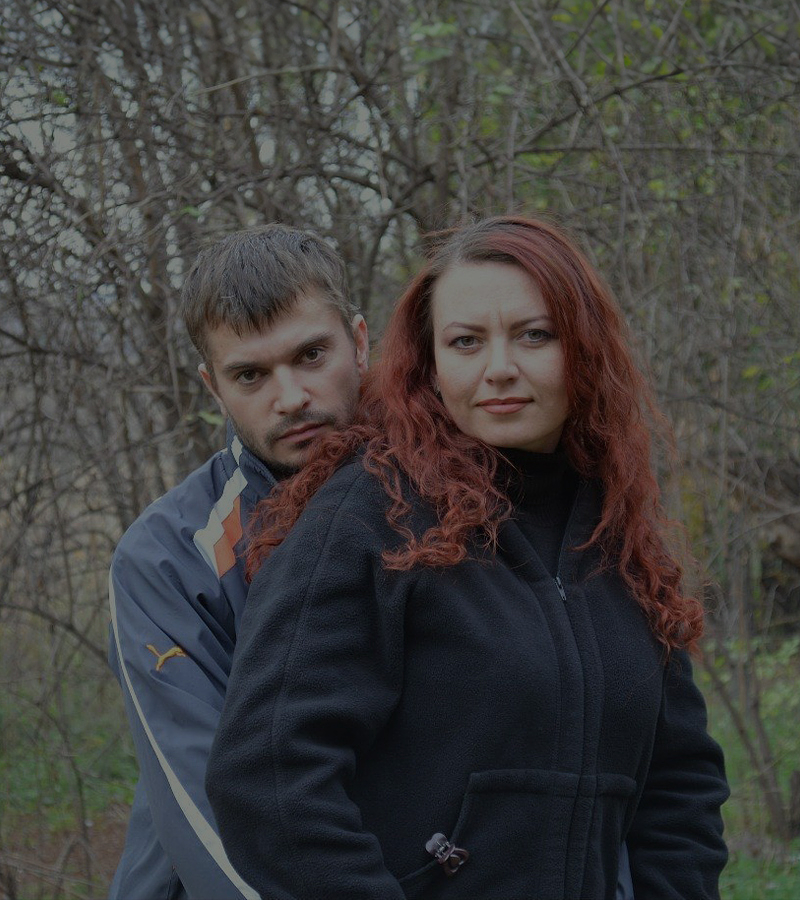.png "Names")


